
How to Digest a Case: A Step-by-Step Guide


What are Case Digests?
Case digests are structured summaries of Philippine Supreme Court Decisions that condense lengthy full texts into ideally one (1) to two (2) page easy reads.
Most law students rely on these digests for recitation and review.
Digests usually include the following elements:
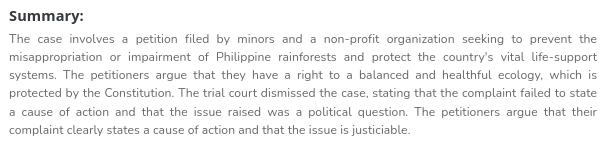
1. Summary – A one (1) paragraph high level overview of what happened in the case, the key issue that the Supreme Court identified, and how the Supreme Court ruled on them.
2. Doctrine – The key ruling or take-away of the case. This is the “moral” lesson or legal principle that the reader should take away from the case.

3. Facts – List of key facts such as who the parties are, what the cause of action is, and how the lower courts ruled.

4. Issue/ Ratio – Identification of the key legal issues with the rationale and ruling of the Supreme Court.
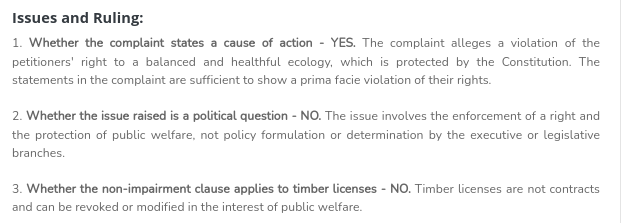
5. Dispositive – The court’s decision on whether to grant, deny, modify, or remand the petition.

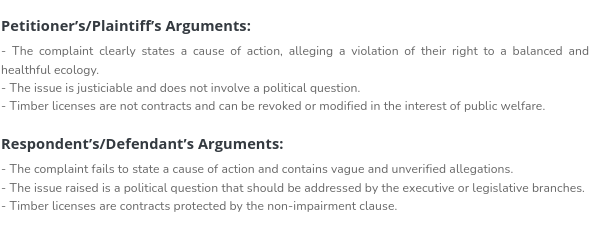
We at digest.PH are proud that our case digests added a special element called Petitioner and Respondent Arguments since we find it easier to understand the case if you know what each side’s arguments are.
Need another sample? See our Calalang vs. Williams digest.
Here is a list of sample case digests :
Below is the list of case digests perfect for both law students and practitioners looking for concise summaries of Supreme Court rulings.
List of sample case digests
Criminal law list of sample case digests
For more reference, you can check out other samples from the weekly free case digests or the decisions archive. Each digest captures essential elements like summary, doctrines, key facts, dispositive, and case digest. Making complex legal cases easier to understand and apply!
Importance of Digesting Cases
Digesting cases is a fundamental skill for law students as it enhances understanding, facilitates review, and aids in legal analysis.
It’s also useful when you are on deck for recitation and you need ammunition to survive your law professor’s questions.
Digests saved me so many times back in law school especially when there were too many cases to read for class
By mastering the art of case digests, students can effectively navigate through extensive legal texts and extract the essential information.
In the same way that organizations use Recruitment CRM Software to efficiently manage and organize candidate information, law students can use digital tools to streamline how they compile and reference case digests.
The Steps to Writing Case Digests
Step 1: Looking At Your Syllabus Before Reading the Case
Begin by looking at your law syllabus and understanding the law subject and topic the case is assigned for.
There is a reason why your professor chose this case which is likely its legal doctrine.
You must read the case with that context because there are usually multiple subjects covered in a digest as the first half of the case might be remedial but the second half is civil.
By knowing what is important, you can read the case looking for the important portions.
Better yet, engage in active reading techniques such as chunking to break down the case into manageable parts.
Step 2: Identifying Key Components
Identify the key components of the case, including relevant facts, issues, arguments, and rulings.
The facts are important because a small change in the facts might lead to a different application of the law.
Remember also that what is key can depend on the law subject.
For example, Criminal Cases usually require you to be heavier on facts while Constitutional cases usually focus more on the ruling.
The facts that the Supreme Court used in its ruling should always be included.
Highlighting key points and taking concise notes will aid in the identification process.
Remember to avoid obiter dictum and also ALWAYS take note of the exact legal terms the Court uses.
I’ll never forget my Constitutional law professor, now law school dean telling us to always remember the terms of art since these are the “magic words” the professor is looking for to know you read the case.
FURTHER READING
Step 3: Organizing and Tailoring Information
Format the digest in a clear and organized manner.
Use headings, subheadings, and bullet points to delineate different sections of the digest.
Ensure coherence and consistency throughout the document.
With these 3 easy steps, you should be able to make great case digests.
Tired of making digests?
You may consider using the *ahem* best legal research in the Philippines to have a basis on how to format and organize your digest.
We also offer some case digests for free here at free case digest.
Conclusion
Mastering case digests is a process that requires time, practice, and dedication.
By following these steps and leveraging resources like Digest.ph, law students can enhance their digesting skills and deepen their understanding of legal principles.
With access to over 82,000 case digests, Digest.ph provides a valuable tool for students to either refine their case digesting techniques or be recit-ready using our readily available case digest.
Say goodbye to the tedious task of crafting case digests from scratch to submit for your digest pool — let Digest PH save your time for as low as ₱399/month!
Dive in, embark on your digesting journey, and unlock the secrets of legal research!